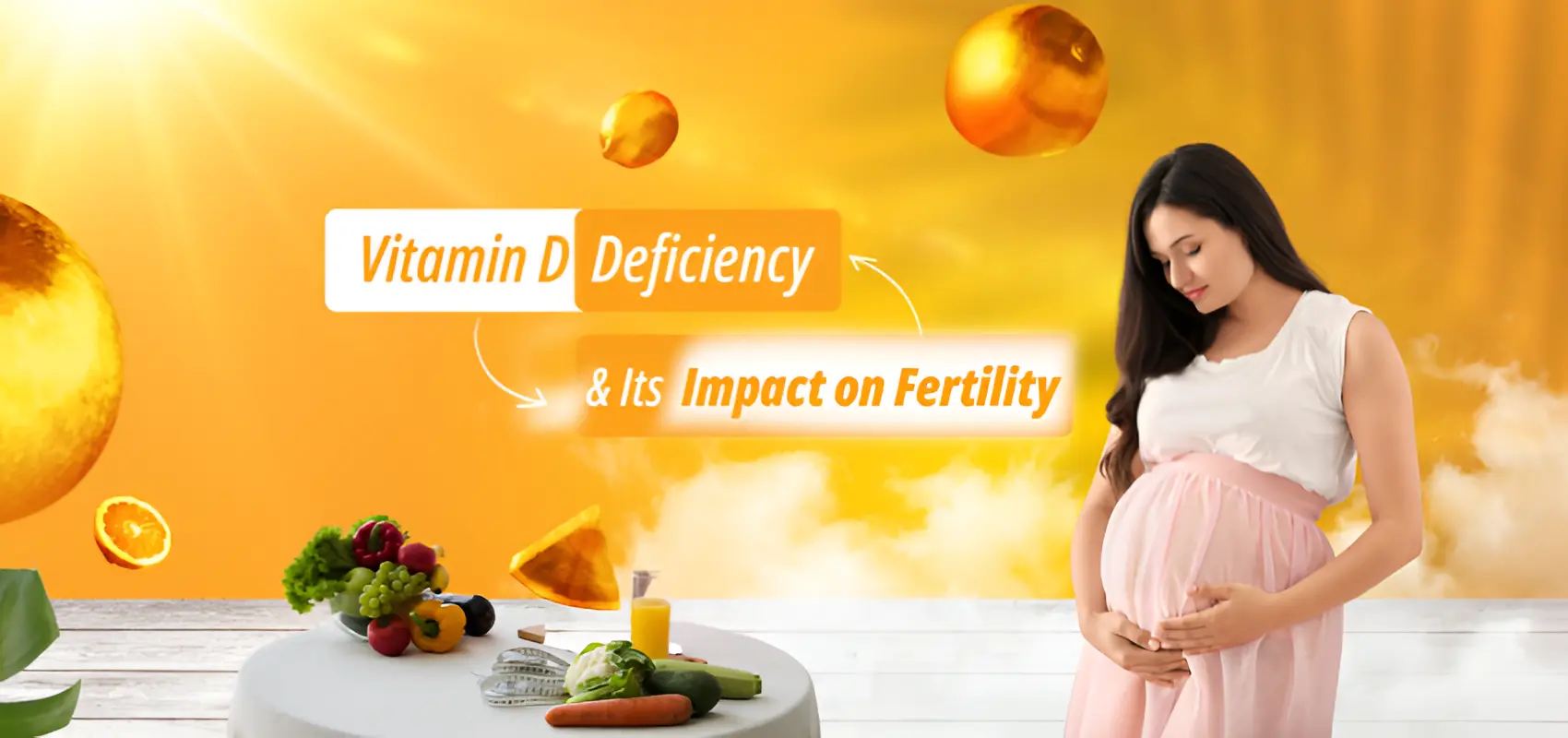
Vitamin D is often called the sunshine vitamin, but its role goes far beyond bone health. Emerging research over the past decade has established a clear connection between Vitamin D status and reproductive health in both women and men. Despite its importance, Vitamin D deficiency is highly prevalent worldwide, often going undetected, and may contribute to unexplained infertility. Unfortunately, many couples struggling with fertility may not realize this hidden link.
Key Highlights
What Is Vitamin D and Why Is It Important?
Vitamin D is a fat-soluble vitamin that helps regulate:
Vitamin D receptors are present in reproductive organs, including the ovaries, uterus, testes, and placenta - indicating its direct involvement in fertility.
1. Ovulation and Hormonal Balance
Low Vitamin D levels can interfere with hormone regulation, affecting regular ovulation. Women with deficiency may experience irregular cycles or delayed ovulation.
2. PCOS and Insulin Resistance
Vitamin D deficiency is commonly seen in women with PCOS. Low levels can worsen insulin resistance, increase inflammation, and disrupt ovulation — all of which reduce fertility potential.
3. Egg Quality and Implantation
Adequate Vitamin D supports egg development and helps prepare the uterine lining for implantation. Deficiency may reduce the chances of successful conception and implantation.
4. IVF Outcomes
Studies suggest that women with sufficient Vitamin D levels may have better IVF success rates compared to those who are deficient.
1. Sperm Count and Motility
Low Vitamin D levels are linked to reduced sperm motility (movement), which is critical for fertilization.
2. Testosterone Levels
Vitamin D supports healthy testosterone production. Deficiency may contribute to hormonal imbalance and lower sperm quality.
3. Sperm DNA Integrity
Adequate Vitamin D helps protect sperm from oxidative stress, improving overall sperm health.
Common Causes of Vitamin D Deficiency
Many people are deficient without showing obvious symptoms.
Signs You May Be Deficient
Best Sources of Vitamin D
Sunlight
Food Sources
Supplements
If levels are low, supplements may be prescribed by a doctor based on severity.
Can Correcting Vitamin D Levels Improve Fertility?
Yes. Correcting Vitamin D deficiency can:
However, Vitamin D alone is not a magic solution - fertility depends on overall health, lifestyle, and medical factors.
When Should You Get Tested?
You should consider testing Vitamin D levels if:
Vitamin D deficiency is a silent but correctable factor affecting fertility in both men and women. Early testing and proper supplementation can support reproductive health and improve the chances of conception when combined with a balanced diet, healthy lifestyle, and medical guidance.
If you’re planning a pregnancy or facing fertility challenges, checking your Vitamin D levels is a simple but important step. Ask your doctor about checking your Vitamin D levels as part of your fertility assessment.





0754000012