Beginning IVF (In Vitro Fertilization) is a significant milestone for couples who are trying to conceive after facing fertility challenges. IVF is not only a medical process but also an emotional, physical, and financial commitment. Preparing yourself properly before starting treatment can improve your confidence, reduce stress, and positively influence your chances of success. Here are the most important things every couple should check before stepping into their IVF journey.
IVF planning starts with understanding the root cause of infertility. Both partners should undergo a detailed evaluation that includes hormone tests, ultrasound scans, semen analysis, and screening for conditions such as PCOS, endometriosis, thyroid imbalance, blocked fallopian tubes, or low sperm count. These reports help the fertility specialist customize the right treatment protocol.
The success of IVF largely depends on the expertise of the fertility doctor and the quality of the embryology laboratory. Choose a center that offers advanced lab technology, experienced specialists, transparent communication, and consistent patient support. A well-equipped center ensures accurate embryo handling and better outcomes.
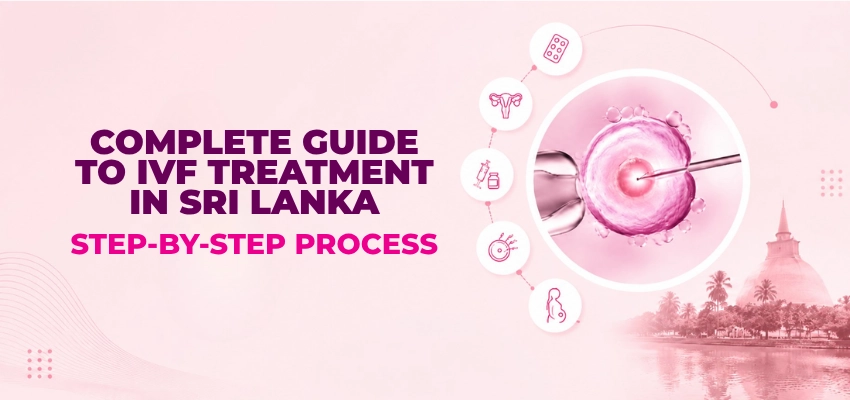
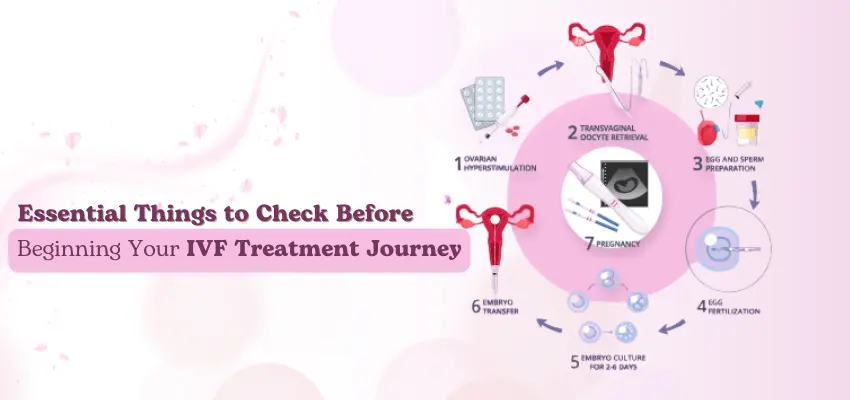
Many couples feel anxious because they are unaware of how IVF works. Learn about each stage—ovarian stimulation, egg retrieval, fertilization in the lab, embryo development, and embryo transfer. Knowing what to expect at every step prepares you mentally and reduces fear of the unknown.
IVF involves expenses related to tests, medications, scans, procedures, and sometimes embryo freezing. Ask for a clear cost estimate before starting. Planning finances early avoids unexpected stress during the treatment.
Healthy lifestyle choices can support better IVF outcomes. Both partners should maintain a balanced diet, proper sleep, regular light exercise, and avoid smoking or alcohol. Managing weight and reducing stress levels also play a vital role in fertility.
Inform your doctor about previous surgeries, long-term medications, allergies, or medical conditions such as diabetes, hypertension, or thyroid disorders. This information helps the doctor adjust medications and avoid complications.
IVF can be emotionally intense due to the waiting periods and expectations involved. Couples should be mentally prepared, stay positive, and support each other throughout the journey. Counseling or fertility support groups can be helpful.
If multiple healthy embryos are formed, freezing them for future use can save time, effort, and cost if another cycle is required. Discuss this option with your doctor before the procedure.
IVF requires frequent hospital visits for monitoring, injections, and procedures. Planning your schedule in advance ensures you can attend appointments without stress or work pressure.
Have an open conversation with your fertility specialist about success rates based on your age, condition, and reports. Understanding realistic expectations helps you stay emotionally balanced during the process.
IVF is a hopeful step toward parenthood, and careful preparation can make the journey smoother and more positive. By checking these essential points before beginning treatment, couples can approach IVF with clarity, confidence, and better chances of success. Being informed, prepared, and supported is the best way to begin this life-changing journey.






0754000012