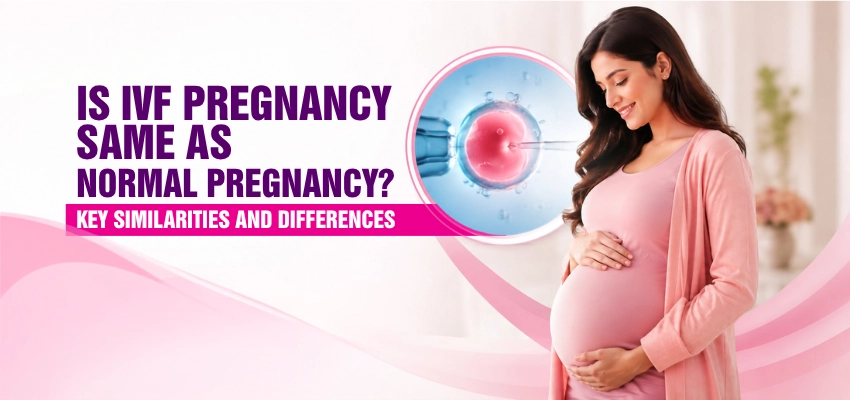
For couples who conceive through In Vitro Fertilization (IVF), pregnancy can bring a unique mix of excitement, hope, and questions. One of the most common questions is: Is an IVF pregnancy the same as a normal pregnancy?
The short answer is yes, in many ways. Once the embryo successfully implants and pregnancy is established, the pregnancy generally progresses through the same stages as a naturally conceived pregnancy. However, there can be some differences in how an IVF pregnancy begins, how closely it is monitored, and the potential risks involved.
Understanding these similarities and differences can help expectant parents feel more informed and confident throughout their pregnancy journey.
IVF is an assisted reproductive technology in which an egg and sperm are combined in a laboratory to create an embryo. After fertilization, an embryo is transferred into the woman's uterus. If implantation occurs successfully, pregnancy begins.
The embryo can be created using the couple's own eggs and sperm or, in some cases, donor eggs or sperm. Once implantation is successful, the pregnancy develops inside the uterus in much the same way as a naturally conceived pregnancy.
Whether conception occurs naturally or through IVF, a successful pregnancy develops inside the uterus. The embryo implants into the uterine lining, and the placenta develops to support the growing baby.
The baby's growth and development follow the same basic biological process regardless of how conception occurred.
Women with IVF pregnancies can experience the same common pregnancy symptoms as women who conceive naturally. These may include:
However, not every woman experiences the same symptoms. Pregnancy symptoms can vary considerably from one person to another.
IVF pregnancies require the same fundamental prenatal care as other pregnancies. Regular appointments, a balanced diet, appropriate physical activity, prenatal vitamins, and recommended screening tests are important for supporting maternal and fetal health.
As the pregnancy progresses, doctors monitor the baby's growth, development, and overall well-being.
After successful implantation, fetal development follows the same general timeline. The baby's organs, nervous system, limbs, and other body systems develop according to the normal stages of pregnancy.
The method used to achieve conception does not change the fundamental process of fetal development.
Although the pregnancy itself is largely similar, the journey to pregnancy and the early stages of care can differ.
Doctors may monitor an IVF pregnancy more closely, particularly during the early weeks. Blood tests and ultrasound scans may be performed to confirm that the pregnancy is developing appropriately.
This additional monitoring can provide reassurance and allows healthcare providers to identify potential concerns early.
Some women may need hormonal medications before and after embryo transfer to prepare the uterine lining and support implantation. Depending on the individual treatment plan, medications may continue during the early stages of pregnancy. The doctor determines whether medication is needed and when it should be stopped.
Some IVF pregnancies may have a higher risk of certain complications compared with naturally conceived pregnancies. These can include ectopic pregnancy, miscarriage, pregnancy-related high blood pressure, or preterm birth.
However, having an IVF pregnancy does not mean that complications will occur. Individual risk depends on factors such as the woman's age, overall health, fertility history, and whether the pregnancy involves one or more embryos.
If more than one embryo is transferred, there is a possibility of twins or a multiple pregnancy. Multiple pregnancies carry additional risks and generally require closer medical monitoring.
Today, many fertility specialists favor single embryo transfer when appropriate to reduce the risks associated with multiple pregnancies.
For couples who have experienced infertility or previous unsuccessful fertility treatments, an IVF pregnancy can feel emotionally different. The pregnancy may bring significant excitement but also increased anxiety about miscarriage or the baby's health.
These feelings are understandable. Open communication with a healthcare provider, partner, family, or qualified counselor can be helpful when needed.
No. A baby conceived through IVF is not inherently different from a baby conceived naturally. Once a healthy embryo implants and pregnancy progresses, fetal development occurs through the same biological processes.
The major difference is how fertilization and conception were achieved, rather than how the baby develops in the uterus.
IVF pregnancy does not necessarily require a completely different lifestyle. However, your doctor may recommend additional monitoring depending on your medical history and pregnancy risk factors. Following medical advice, attending prenatal appointments, taking prescribed medications correctly, eating a nutritious diet, avoiding harmful substances, and promptly reporting unusual symptoms are all important.
So, is IVF pregnancy the same as a normal pregnancy? In terms of fetal development, pregnancy symptoms, and the overall stages of pregnancy, there are many similarities. The main differences are related to the conception process, early monitoring, medications, and the potential risk of certain complications.
Every pregnancy is unique, whether it occurs naturally or through IVF. If you are pregnant after IVF, regular prenatal care and communication with your obstetrician can help ensure that you and your baby receive appropriate care throughout the pregnancy.
An IVF journey may begin differently, but a successful pregnancy is still a remarkable journey toward welcoming a new life.






0754000012